Osidge Back Garden Access Solutions from Local Gardeners: Practical Ways to Open Up a Hard-to-Reach Garden
If your back garden feels awkward to reach, cramped by narrow side paths, or simply too hard to use properly, you are not alone. In Osidge, plenty of gardens have access that was fine years ago but now gets in the way of everyday life. That is where Osidge back garden access solutions from local gardeners can make a real difference. The right approach can turn a frustrating bottleneck into a safe, tidy, and genuinely useful route into the garden.
This guide walks through the options local gardeners usually recommend, how the work is planned, what it can solve, and where people often go wrong. We will keep it plain-English and practical. No fluff. Just the sort of advice that helps you decide what is actually worth doing.
One thing to keep in mind: access is rarely just about getting through a gate. It can affect maintenance, waste removal, materials delivery, wheelbarrow movement, privacy, safety, and how pleasant the garden feels in daily use. A small change can have a surprisingly big ripple effect. Truth be told, that is often the part people notice first.
Why Osidge back garden access solutions from local gardeners Matters
Back garden access has a habit of becoming a problem only when you need it most. A hedge grows out, a gate swells in damp weather, the passage beside the house narrows, and suddenly a routine tidy-up turns into a mini obstacle course. In a place like Osidge, where homes can have compact plots, side return routes, shared boundaries, and mature planting, access needs to be thought about carefully rather than treated as an afterthought.
Local gardeners understand these everyday constraints because they work with them all the time. They know what happens when a route is too narrow for a barrow, when paving becomes slippery after a wet spell, or when a decent-looking entrance still does not allow practical movement. You can often spot the difference between a garden that looks nice on paper and one that actually works day to day. Access is usually the giveaway.
There is also a comfort factor. If you are carrying tools, compost, turf, paving, hedge waste, or even just a watering can in and out, a poor route soon becomes annoying. And annoyances stack up. A route that is awkward in August can become downright tedious by November, especially when the weather turns and everything gets muddy underfoot.
For many homeowners, the point is not to create a grand new entrance. It is to make the existing garden feel easier to live with. Sometimes that means widening a passage. Sometimes it means cutting back growth, improving surface grip, adding a more sensible gate, or rethinking how planting and hard landscaping frame the route. That is the real value of local help: practical changes that suit the space you already have.
If you are also weighing up wider garden improvements, it helps to think of access as part of the whole system. A better route may support regular upkeep through garden maintenance, make surface work simpler with patio cleaning, or tie into a bigger refresh through landscaping. That wider view is usually where the smartest decisions happen.
How Osidge back garden access solutions from local gardeners Works
Most access improvements begin with a walk-through. A gardener will look at the existing route, measure the practical width, check ground conditions, and note what is limiting the flow. Is it a hedge? A fence line? A broken slab? A tight corner around the house? Or maybe the issue is less physical and more about layout, where the route exists but feels clumsy to use.
From there, the solution is normally chosen around three things: space, purpose, and budget. Space tells you what is possible. Purpose tells you how the route should function. Budget keeps the plan realistic. That sounds obvious, but it is where many projects either stay sensible or get overcomplicated.
Typical works can include:
- cutting back overgrown shrubs or climbers that are restricting movement
- replacing a narrow or damaged gate with a more practical one
- modifying fence panels or boundary features where appropriate
- reshaping a path to remove tight pinch points
- levelling uneven sections that make barrow access difficult
- installing stepping stones, edging, or non-slip surfaces
- reworking planting beds to keep the route open without making the garden feel bare
Some homes only need a tidy, lighter-touch fix. Others need a more structural rethink. For example, if you are planning regular deliveries of compost or stones, a route that suits foot traffic may still fail under load. If that sounds familiar, a local gardener will often suggest combining access work with broader gardening services or targeted landscaping to create a sturdier flow from front to back.
In practical terms, the process usually ends with cleanup, disposal of green waste, and a final check that the route feels natural. The best access solution should not shout at you. It should just work. Quietly. Every time you use it.
Key Benefits and Practical Advantages
The most obvious benefit is convenience, but there is a lot more going on under the surface. Better access changes how a garden is used, maintained, and enjoyed. It can also reduce damage to planting beds and surfaces because people stop taking awkward shortcuts through the space.
Here are the main advantages people usually notice:
- Easier maintenance: mowing, pruning, sweeping, and waste removal become less of a faff.
- Safer movement: fewer trips, slips, and bruised shins on tight corners or uneven ground.
- Better usability: you are more likely to use the garden if getting to it is simple.
- Cleaner boundaries: tidy edges and sensible routes prevent the garden from feeling chopped up.
- Improved appearance: access improvements often make the whole space look more intentional.
- More efficient work: local gardeners can complete tasks faster when access is planned well.
There is also a subtle design benefit. Good access tends to create rhythm in a garden. You move from one area to another without that weird sense of squeezing through a service corridor. Instead, the transition feels natural. That matters more than people think.
If your back garden has been difficult to manage for a while, access improvements can also support other low-effort wins. A simpler route makes it easier to adopt low-maintenance garden ideas, keep the lawn in shape with lawn care, or stay on top of mowing through lawn mowing. It is all connected, really.
Who This Is For and When It Makes Sense
Not every garden needs a major access upgrade. But there are some clear signs that it would help.
You may be a good candidate if:
- you struggle to get a mower, barrow, or bags of soil into the back garden
- the side passage is too tight, too dark, or constantly muddy
- overgrown hedging is pinching the route year after year
- a gate sticks, drags, or no longer opens far enough
- you have decking, paving, or steps that make the route awkward
- you are planning a larger garden refresh and want circulation sorted first
- you need better access for routine professional visits
It also makes sense if you are planning to stay in the property long term. Small access improvements are the sort of upgrade you appreciate more and more over time. They are not flashy, but they save effort week after week. And honestly, that is where good garden work earns its keep.
Families often notice this first because children do not exactly move cautiously through narrow routes. Nor do dogs, let's be fair. If your garden has pets or little ones, improving access while keeping the layout clear can make movement safer and less stressful. For ideas that balance movement, play, and planting, you may find the thinking behind garden spaces for furry companions and gardens for young explorers especially useful.
Step-by-Step Guidance
If you are approaching the problem for the first time, keep it simple. A good result usually comes from sensible sequencing rather than a dramatic overhaul.
- Assess the route honestly. Walk it slowly with a wheelbarrow, if possible. Notice where you hesitate, turn awkwardly, or catch on a gate latch.
- Identify the main blockage. Is it width, surface condition, overgrowth, steps, or a combination? Most access issues have more than one cause.
- Decide what the route needs to carry. A person on foot is different from a barrow, mower, or delivery load. Be specific.
- Choose the smallest effective change first. Sometimes cutting back a hedge and widening a gate solves 80 per cent of the problem.
- Check how the route affects the rest of the garden. A solution should not destroy privacy, drainage, or planting structure.
- Plan the work order. Clear access first, then surfaces, then hard edging, then planting or screening if needed.
- Finish with maintenance habits. Keep the route pruned, swept, and checked seasonally so the problem does not creep back.
That last step matters more than people expect. Access issues rarely reappear overnight. They creep back. A hedge grows 15 cm, a slab tilts a little, rain softens a path, and before you know it the same bottleneck is back again. A quick seasonal tidy can save a lot of grief.
If you are not sure where to begin, a local gardener can often help you make a clean decision quickly. In many cases, the answer comes from seeing the space in person rather than guessing from a photo.
Expert Tips for Better Results
Here is where experience really helps. The best access work is rarely about brute force. It is about small, thoughtful choices that age well.
- Protect the line of travel. Keep planting, edging, and features just outside the natural movement zone. You want the route to feel open without losing garden character.
- Think about wet weather first. In the UK, a route that seems fine in summer can feel slippery and narrow in winter. Choose surfaces and finishes accordingly.
- Avoid over-pruning for the sake of space. You do not want a route that looks stripped bare. Good access and good planting can coexist.
- Use curves only when they earn their keep. Gentle curves can soften a route, but in a tight garden they can also waste valuable width. Straight is often better.
- Match the gate to the use. A decorative gate is lovely, but if it jams or blocks a wheelbarrow, it is not doing the job.
- Keep drainage in mind. Standing water near access points causes wear, mud, and staining fast.
One of the better tricks is to improve visual clarity as well as physical access. Light-coloured edging, neat line work, and a clear opening point make a route feel easier even before you step through it. The eye follows tidy lines. The body follows the eye. Simple, but effective.
If your access route is bordered by tall screening or mature hedges, it may be worth pairing the work with hedge trimming in Osidge or reading up on innovative hedge trimming styles. That kind of combined approach often delivers a better result than treating access as an isolated problem.
Common Mistakes to Avoid
It is easy to get this wrong in small ways. Not disastrous, just irritating. And irritation is exactly what good garden planning should reduce.
- Measuring only the widest point. You need to know the narrowest pinch point, not the easy bit.
- Ignoring turning space. A route can be wide enough in theory and useless in practice if you cannot turn a barrow.
- Cutting everything back too hard. That can leave the garden exposed, flat, or unbalanced.
- Choosing slippery materials. Pretty surfaces are not much use if they become hazardous after rain.
- Forgetting future growth. A route that fits today may not fit after one growing season.
- Not checking gate swing or latch position. Small hardware issues create huge daily annoyance. Really, they do.
- Starting with hard landscaping before solving layout. The wrong sequence wastes time and money.
Another common slip is to assume access only matters for builders or gardeners. Not true. It also matters for cleaning, planting, family use, seasonal jobs, and ordinary life. If you can move through the garden with ease, you are more likely to care for it properly. That is the underlying win.
Tools, Resources and Recommendations
Local gardeners do not need a huge toolkit to improve access, but they do need the right kit for the job. Here are the basics you would expect in a serious, well-prepared visit:
- pruning tools for cutting back encroaching growth
- spades, forks, and edging tools for reshaping borders
- levels and measuring tools for checking route consistency
- wheelbarrows or carry aids for shifting waste and materials
- pressure or hand-cleaning tools for safer surfaces where appropriate
- gloves, eye protection, and sensible footwear
For homeowners planning their own preparatory work, it helps to read broadly about garden setup and maintenance before you start. A few especially relevant resources on this site include essential gardening gear, helpful beginner gardening tips, and garden revival steps. They are useful if you want the bigger picture, not just the access fix.
It can also help to think seasonally. Winter damp and leaf fall tend to expose weak spots in routes, while spring growth can quickly narrow them again. If that sounds familiar, a read-through of winter plant care and protecting your outdoor sanctuary against severe weather may give you a better sense of what to expect over the year.
For a practical next step, it is usually worth gathering a few photos, rough measurements, and a note of what you want to move through the space. That makes a first conversation much more useful.
Law, Compliance, Standards, or Best Practice
Access work can touch boundaries, gates, surfaces, drainage, and sometimes trees or hedges. That means a little care is wise. If you are sharing a boundary with a neighbour, or if the route sits close to a fence line, it is sensible to avoid making assumptions about ownership or permission. Local gardeners will usually work conservatively here and flag anything that needs checking before they cut, remove, or alter a boundary feature.
Where the work involves tools, lifting, or potentially slippery surfaces, good practice matters. A reputable gardening team should think in terms of safe access, tidy housekeeping, and sensible sequencing. For example, clearing a route before lifting heavy materials reduces trip risk. Checking for hidden uneven ground before walking equipment through it prevents unnecessary damage and injury. Nothing dramatic there, just decent working habits.
If tree branches, dense shrubs, or root disturbance are part of the issue, it is better to treat them as a separate technical question rather than guessing. The same goes for anything close to boundary structures. A cautious assessment is usually better than a rushed cut.
It is also reasonable to ask about insurance, working practices, and how waste is handled. On a practical level, you want clarity before work starts. The pages on insurance and safety, health and safety policy, and terms and conditions are the kind of trust signals people look for when deciding who to hire. A clear pricing and quotes process and straightforward payment and security arrangements also help keep everything transparent.
If you want a fuller sense of the people behind the work, the about us page is worth a look. And if you have any concerns after work begins, it helps to know there is a clear complaints procedure and a published privacy policy, cookie policy, and modern slavery statement. That sort of documentation may not be exciting, but it is reassuring. And yes, boring paperwork can be a good sign.
Options, Methods, or Comparison Table
Not every access issue needs the same fix. Here is a simple comparison of common approaches local gardeners may recommend.
| Method | Best for | Main advantage | Possible limitation |
|---|---|---|---|
| Light pruning and clearance | Routes blocked by overgrowth | Quick, low-disruption improvement | May need repeating seasonally |
| Gate adjustment or replacement | Tight or awkward entry points | Makes daily use immediately easier | May require boundary checks |
| Path reshaping | Narrow or inefficient movement lines | Better flow and safer movement | More labour-intensive |
| Surface improvement | Muddy, uneven, or slippery access | Better grip and cleaner movement | Can cost more than pruning |
| Combined landscaping approach | Long-term garden rework | Best overall transformation | Needs more planning and budget |
If you are unsure which route to take, start with the least invasive option that genuinely solves the issue. That is usually the smartest money decision. You can always build from there.
Case Study or Real-World Example
Here is a typical scenario, based on the kind of work local gardeners often see.
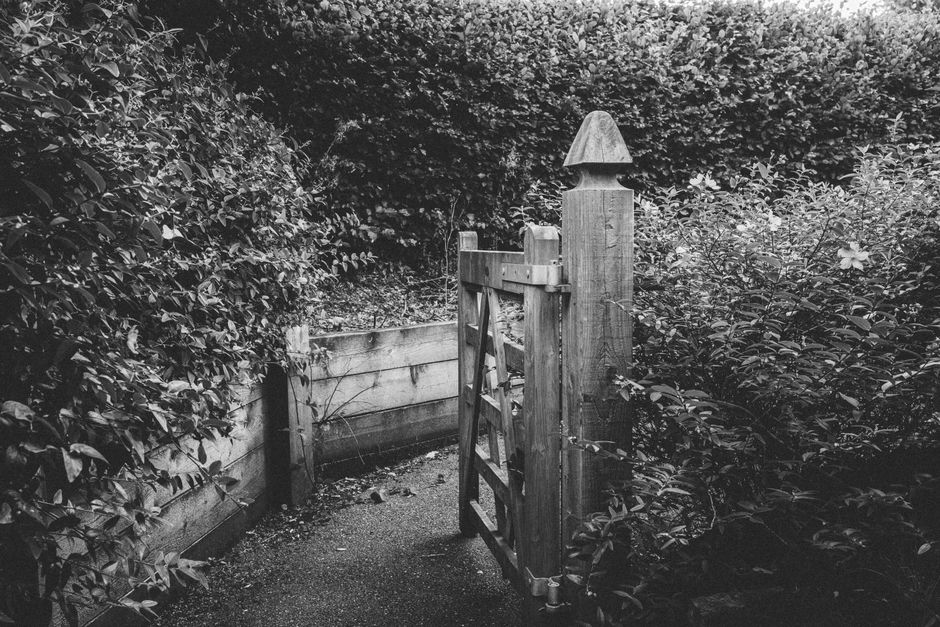
A homeowner in Osidge has a back garden reached via a narrow side passage. Over time, the boundary hedge has widened, the gate has started catching at the bottom, and the paving near the entrance has become patchy. Moving a wheelbarrow is awkward, and after rain the route is a bit slick. Not disastrous, but irritating enough that they keep putting off jobs.
The gardener starts with a simple assessment. The hedge is lightly reduced to regain width without stripping privacy. The gate is adjusted so it swings properly. The worst paving unevenness is corrected, and the entrance area is cleaned and edged so the route feels clearer. No single change is dramatic on its own. Together, though, they make the garden easier to use within a day.
What changes most is not just movement. It is confidence. The owner stops planning around the route and starts using the garden again properly. Compost bags go in without a struggle. Mowing is less annoying. The space feels calmer. It is one of those small improvements that quietly improves the whole week.
If the space then needs more visual softening, planting can be layered back in carefully. For instance, a route can be framed with sensible screening or lower-maintenance plants rather than dense growth that blocks access all over again. That balance is the trick.
Practical Checklist
Use this before you request help or plan work on the route.
- Measure the narrowest part of the access route
- Check gate width, swing, and latch condition
- Note any slippery, broken, or uneven surfaces
- Look for overgrown shrubs, hedges, or climbers restricting passage
- Decide what needs to pass through the route: people, mowers, barrows, materials
- Take a few clear photos in daylight
- Think about whether privacy must be preserved after any changes
- Ask how waste and cuttings will be removed
- Check whether the work links to wider garden maintenance or landscaping
- Confirm timings, access arrangements, and any neighbour considerations
If you can tick off most of the above, you are already in a much better position than starting from scratch. A little prep goes a long way, oddly enough.
Get a free quote today and see how much you can save.
Conclusion
Osidge back garden access solutions from local gardeners are really about making your outdoor space work properly for everyday life. That may mean opening up a route, smoothing out a surface, adjusting a gate, or rethinking how the boundaries and planting frame the space. The best solutions are usually practical, modest, and tailored to the way you actually use the garden.
What matters most is fit. Not the fanciest fix, not the biggest transformation, just the one that helps you move naturally through the garden without hassle. When access is sorted well, everything else becomes easier too. Maintenance feels lighter. The garden feels bigger. And somehow, the whole place settles.
If you are ready to get the space moving in the right direction, a local assessment is the sensible next step. A good gardener will spot what is causing the bottleneck and help you choose the cleanest, most cost-effective answer. Nice and straightforward, as it should be.
And if the first walk through your garden makes you think, "Yes, this could be so much better," that is usually the right moment to act.
Frequently Asked Questions
What are back garden access solutions in Osidge?
They are practical changes that make it easier to reach and use a back garden, such as hedge reduction, gate adjustments, path improvements, or small landscaping changes.
Do local gardeners only handle cutting back plants?
No. They may also improve routes, tidy surfaces, adjust layouts, and help with wider access-related garden work. Cutting back growth is often only one part of the job.
How do I know if my garden access is too narrow?
If you struggle to move a wheelbarrow, mower, compost bags, or even just turn comfortably without catching edges, the route is probably too tight for practical use.
Can access work be done without losing privacy?
Usually, yes. A good gardener will look for ways to open the route while preserving screening with careful planting, hedging, or boundary planning.
Is it worth improving access if I only garden a few times a year?
Often it is. Even occasional jobs are easier when the route is clear and safe, and the improvement can reduce frustration every time you need to get through.
Will I need planning permission for access changes?
Most small garden adjustments do not need it, but boundary-related work can be sensitive. If a change affects fences, gates, trees, or shared boundaries, it is sensible to check carefully before work begins.
What is the cheapest way to improve back garden access?
Light pruning, clearing obstructions, and adjusting a gate are often the most affordable starting points. These smaller fixes can make a big difference before you move on to larger works.
How long does access improvement usually take?
It depends on the issue. A straightforward cut-back and tidy can be relatively quick, while surface changes or route reshaping will take longer. The scope of work is what really determines the timing.
Can access solutions help with garden maintenance too?
Yes. Easier access usually means easier mowing, sweeping, pruning, and waste removal. That is why access and maintenance are often planned together.
What should I ask a local gardener before booking?
Ask what they recommend for your route, whether the work will affect privacy or boundaries, how waste will be removed, and whether the plan is a light-touch fix or part of a larger garden improvement.
Do access solutions work for small gardens?
Absolutely. In small gardens, access improvements can be even more valuable because every inch matters. A better route can make the whole space feel less cramped.
Where can I learn more before I decide?
It helps to look at related topics such as hedge trimming, maintenance, landscaping, and practical garden planning so you can see how access fits into the bigger picture. Then you can make a more informed call.
If you are ready to take the next step, starting with a short conversation and a proper look at the space is usually the easiest way forward. Small improvements can have a big effect, and the garden may thank you for it sooner than you think.